The Enchanted World We’ve Lost
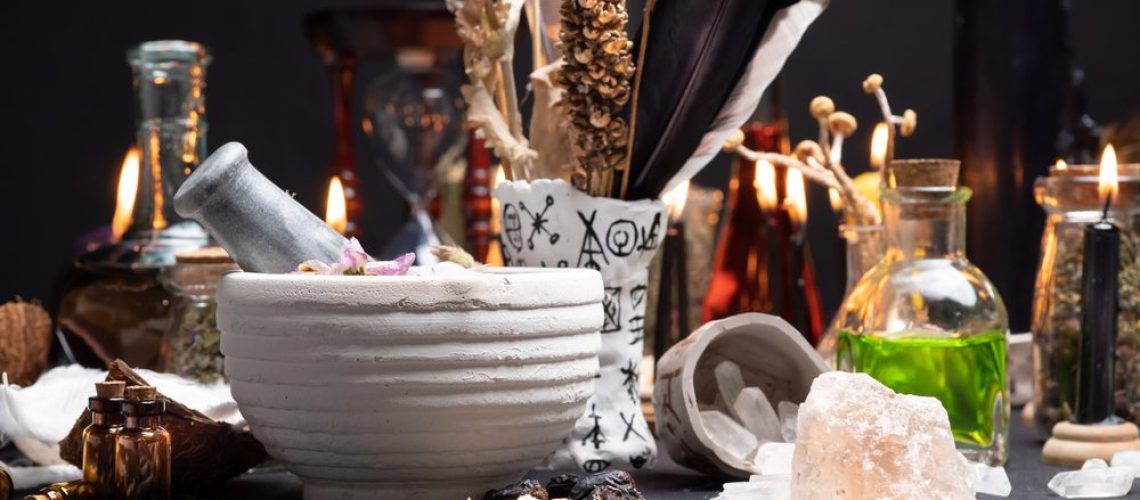
Magic once filled the real world, not just fantasy novels or Hollywood productions. It lived in the hearth of every home, in the turning of seasons, in the careful selection of herbs for the evening meal. Our ancestors intertwined the magical with the mundane, weaving them into daily existence as inseparable threads. The woman stirring a pot of stew wasn’t just cooking; she was engaging in alchemy, transforming separate elements into something greater while whispering intentions of health and protection into the steam. The farmer marking the solstice wasn’t merely noting the calendar; he was participating in an ancient dialogue with the cosmos that ensured continued harmony between heaven and earth.
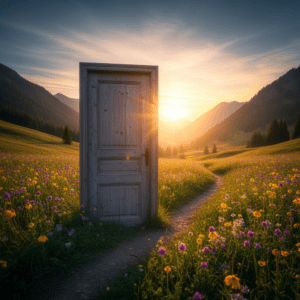
These everyday actions weren’t superstition—they were a profound understanding that the world operated on multiple levels simultaneously. The physical and metaphysical weren’t separate realms but aspects of the same reality. A doorway wasn’t just an entrance to a home but a threshold between worlds that required protection. A meal wasn’t merely sustenance but an opportunity for transformation and blessing. The turning of the seasons wasn’t simply a climatic shift but a sacred cycle that humans played an essential role in maintaining.
Yet somehow, amid industrial revolutions and technological advancements, we’ve lost this enchanted perspective. We’ve traded mystery for mechanism, ritual for routine, and connection for convenience. The world has become flatter, more predictable, and less alive with possibility. And something profound has been lost in that exchange—something many of us feel as a nameless longing, a sense that despite our material abundance, we’re spiritually malnourished.
The Disenchanted Present
Today, we move through our lives with remarkable efficiency but diminished awareness. We microwave meals without thinking about their origins or the energy we’re consuming. We pass through doorways without acknowledging transitions. We note the changing seasons primarily for their impact on our wardrobes or thermostats. People have relegated the magical thinking that once infused every aspect of human existence to the margins—considering it primitive, unsophisticated, or irrelevant to modern life.
Our homes have become places of convenience rather than sanctuaries of intention. Our kitchens are functional spaces rather than domestic temples where transformation occurs. Our relationship with time has become linear, productivity-focused rather than cyclical, and ceremony-centered. We’ve gained efficiency but lost enchantment. We’ve mastered manipulating the physical world but forgotten how to engage with its deeper dimensions.
This disconnection manifests in our collective longing for meaning, our endless quest for fulfillment through consumption, and our epidemic levels of anxiety and depression. Perhaps these modern ailments aren’t merely chemical imbalances or societal pressures but symptoms of spiritual malnourishment—evidence that humans need more than logical explanations and material comforts to thrive. We need mystery, meaning, and a sense that our actions resonate beyond their immediate physical effects.

Kitchen Witchery: The Sacred Art of Nourishment
The kitchen was once the beating heart of household magic—a place where transformation wasn’t just possible but inevitable. Our ancestors understood food preparation as a powerful magical act, not simply a domestic chore. When a grandmother taught her granddaughter to bake bread, she wasn’t merely passing down a recipe but initiating her into an ancient lineage of alchemists who transformed separate elements into something greater than their parts.
Consider the common practice of stirring soup clockwise to bring positive energy or counterclockwise to banish negative influences. That action wasn’t arbitrary superstition but a recognition that intention shapes outcome, that consciousness affects matter. The herbs chosen weren’t selected solely for flavor but for their protective, healing, or harmonizing properties. Rosemary wasn’t just a complement to roasted potatoes but a purifying force that cleansed the food and the household energy. Cinnamon wasn’t merely a pleasant spice but a powerful catalyst for prosperity and success.
Even the humble act of sweeping the kitchen floor was imbued with magical significance—it swept out old energies, cleared space for new possibilities, and established boundaries between the home and the outside world. The hearth fire wasn’t just for cooking but represented the spiritual center of the home, a direct connection to ancestral wisdom and divine protection.
These practices weren’t additions to cooking—they were cooking, properly understood. The separation between the practical and the magical would have seemed nonsensical to our forebears. Nourishment was always physical and spiritual simultaneously, addressing hunger on multiple levels. The meal sustained the body, the ritual fed the soul, and the community gathering around the table strengthened social bonds. It was holistic nourishment in the truest sense.
Threshold Magic: Protecting Boundaries Between Worlds
People once understood every doorway, window, and gate as more than simple openings—they saw them as thresholds between realms that required careful attention and protection. Our ancestors lived acutely aware that unseen forces could enter their homes, for better or worse, and developed sophisticated practices to ensure that only beneficial energies crossed their thresholds.
Hanging horseshoes above doorways—always facing upward to “hold the luck”—persists today as decoration but originated as serious magical protection. People believed iron repelled malevolent spirits, while the horseshoe’s crescent shape echoed the moon’s protective power. Similarly, the tradition of carrying a bride across the threshold wasn’t merely romantic but protective—ensuring she didn’t stumble during a vulnerable transition, which could invite misfortune.
Threshold magic extended beyond entrances to include windows, chimneys, and any opening to the outside world. People placed herbs like rowan and hawthorn above windows, scattered salt across entryways, and tied specific knots in cords to seal protections around the home’s perimeter. These weren’t sporadic practices but integral components of home maintenance—as essential as fixing a leaking roof or sweeping the floor.
Perhaps most intriguing were the physical inscriptions and markings in historic homes across cultures. Witch marks, hex signs, and protective symbols were carved into door frames, hearths, and window sills—permanent magical technologies designed to filter energies entering the home. Many of these marks remain visible in historic buildings, testifying to how seriously our ancestors took threshold protection.
Seasonal Celebrations: Dancing with Cosmic Rhythms
Before standardized calendars and electric lights disconnected us from natural cycles, our ancestors lived in intimate relationships with seasonal rhythms. People actively celebrated the year’s turning through rituals, acknowledging their participation in cosmic patterns. These weren’t simply parties but technologies for harmonizing community life with natural cycles, ensuring continued abundance and protection.
The agricultural festivals that eventually evolved into our modern holidays were sophisticated systems for community alignment with natural forces. Midwinter celebrations like Yule, Christmas, and Saturnalia weren’t just about enduring darkness but actively participating in the rebirth of light. The rituals—bringing evergreens indoors, maintaining sacred fires, sharing specific foods—weren’t symbolic gestures but practical magic for ensuring the sun’s return and sustaining the community through winter’s scarcity.
Spring celebrations focused on fertility and renewal weren’t primitive superstitions but acknowledgments of human dependency on and participation in natural abundance. The eggs and rabbits associated with Easter derive from earlier practices that recognized human fertility as connected to earth’s fertility—not separate domains but aspects of a unified system requiring ritual attention.
Midsummer celebrations centered around bonfires served multiple magical functions: purifying the community, strengthening the sun’s power at its zenith, and providing protection when the veil between worlds was believed to thin. People expressed gratitude through harvest festivals and magically completed agricultural cycles by properly acknowledging and celebrating what they had received to ensure continued abundance.
These seasonal observances provided more than communal entertainment. They oriented communities in time and space, connected generations through shared practices, and maintained reciprocal relationships with natural forces. They were calendrical technologies that kept human communities properly aligned with cosmic rhythms.
Weather Working: Cooperation with Elemental Forces
Perhaps no area of ancient magical practice seems more foreign to modern sensibilities than weather working—the notion that humans could influence atmospheric conditions through ritual and intention. Today’s weather apps and meteorological science have replaced what was once an intimate, magical relationship with rain, wind, and seasonal patterns.
Our ancestors didn’t view themselves as passive recipients of weather but active participants in weather patterns. Rain-making ceremonies weren’t desperate appeals to capricious deities but sophisticated technologies for aligning community intention with atmospheric conditions. Across cultures, these practices often involved sympathetic magic—the creation of small-scale models that would influence larger systems. The sprinkling of water, the creation of smoke, the mimicry of thunder through drums—all were microcosmic actions designed to trigger macrocosmic responses.
Wind-calling practices were similarly widespread, often involving whistling specific tones, untying knots in special cords, or using carved instruments mimicking desired winds’ sounds. These weren’t viewed as controlling nature but cooperating with it—human consciousness participating in natural systems rather than dominating them.
Protection from destructive weather followed similar principles. Storm dispersal practices often involved projecting counter-energies through sound, motion, or symbolic objects placed strategically around dwellings and fields. The widespread practice of ringing church bells during thunderstorms derives from earlier magical practices designed to disperse destructive energies through sound vibration.
While contemporary science dismisses these practices as superstition, they reflect a worldview in which consciousness and material reality aren’t separate domains but interactive aspects of a unified system. The question isn’t whether rain dances “worked” by modern scientific standards but what we’ve lost by abandoning the perspective that humans are active participants in, rather than passive observers of, atmospheric conditions.

The Bridge: Reclaiming Magical Heritage in Modern Life
We needn’t abandon our modern conveniences or scientific understanding to reclaim the enchanted perspective of our ancestors. Recovering magical thinking doesn’t require rejecting rational thought but expanding beyond its limitations. It’s possible—perhaps essential—to develop a both/and approach that honors analytical understanding while embracing the magical dimensions of existence our ancestors took for granted.
This reclamation begins with intention and awareness, not elaborate ceremonies or esoteric knowledge. The simple act of acknowledging thresholds as you pass through them—pausing briefly at your front door to consider what energies you’re bringing into your home—reactivates the magical technology of threshold awareness. Setting conscious intentions before preparing food transforms cooking from a chore to a ritual without adding time or complexity.
Reconnecting with seasonal rhythms doesn’t require a return to agricultural living. It might mean establishing simple household traditions that acknowledge solstices and equinoxes or developing personal rituals to mark the first snow, when spring flowers emerge, or when foods are harvested. These practices anchor us in natural cycles that continue to influence our lives, however much artificial light and climate control might obscure them.
We can even reclaim weather awareness through simple practices. Taking a moment to truly feel an approaching storm, expressing gratitude for needed rain, or acknowledging the wind as an entity with presence and character—these small shifts in perception begin to rebuild the animated worldview our ancestors inhabited.
The bridge between ancient magical practices and contemporary life isn’t built through perfect historical reenactment but by recovering an enchanted perspective that sees the world as alive, responsive, and meaningful. It’s about remembering that efficiency isn’t the only value, that mystery isn’t a problem to solve, and that human consciousness is a participatory force in a living universe.
Practical Ways to Reenchant Your World
If you feel drawn to reclaim these forgotten traditions, begin with simple practices that resonate with your daily life. In the kitchen, try stirring clockwise while focusing on what you wish to bring into your life, or establish a brief ritual of gratitude before beginning food preparation. Place protective herbs like rosemary or bay leaves near doorways, or create a simple cleansing spray with moon-charged water and purifying essential oils for refreshing your living space.
Develop threshold awareness by touching the frame of your front door before entering, silently acknowledging the transition between public and private space. Create simple seasonal altars with natural objects that reflect the current time of year—flowers in spring, leaves in autumn, and evergreens in winter. Mark the solstices and equinoxes with special meals, or adjust your home’s decorations to acknowledge these turning points.
Pay attention to the moon’s phases and consider how they might influence your energy levels, sleep patterns, or emotional states. Perhaps certain activities—beginning new projects, deep cleaning, having difficult conversations—might better align with specific lunar phases. Practical ways to reinchant your world aren’t about rigid rules but about developing sensitivity to natural rhythms.
Most importantly, you should approach these practices with genuine curiosity rather than dogmatic perfectionism. Our ancestors didn’t follow instruction manuals for their magical practices—they developed intimate relationships with their environments through observation, intuition, and transmitted wisdom. Your rediscovery of magical heritage should similarly grow from authentic connection rather than rigid adherence to formulas.
The Wisdom We Nearly Lost
What we’re recovering isn’t merely a collection of quaint customs but a sophisticated worldview that sustained humanity for millennia—a perspective that recognized humans as integral participants in a living, responsive universe. Our ancestors’ magical practices weren’t primitive attempts to control uncontrollable forces but technologies for appropriate participation in natural and cosmic systems.
The boundary between magic and mundane is a recent and artificial construction. Throughout human history, the practical and the magical weren’t separate categories but aspects of a unified approach to life. Recovering magical heritage isn’t about adding something foreign to modern existence but remembering something essential about human experience that we’ve temporarily forgotten.
This remembering isn’t merely nostalgic but potentially revolutionary. In an age facing ecological collapse, epidemic mental health challenges, and profound alienation, the recovery of an enchanted worldview offers more than comfort—it provides an alternative foundation for reimagining our relationship with the planet and each other. If we once again recognize the world as alive, responsive, and deserving of reverence, our decisions about how to live within it will fundamentally change.
The magic our ancestors practiced wasn’t an escape from reality but full engagement with it—a recognition of depths and dimensions modern rationality has flattened and denied. In reclaiming these practices, we aren’t retreating from the present but expanding it, recovering aspects of existence that have always been present but recently ignored.
Discover Your Ancestral Magical Tradition
What magical lineage might you feel most drawn to rediscover? Consider these questions to explore your intuitive connection to specific traditions:
Are you most drawn to working with plants and herbs, feeling an immediate connection to growing things? Kitchen witchery and green traditions might be your ancestral calling. Do you feel energized during storms, fascinated by weather patterns, and sensitive to atmospheric changes? Weather working traditions might resonate with your inherent gifts. Are you highly attuned to transitions, thresholds, and boundaries, noticing subtle shifts in energy when moving between spaces? Protective threshold magic might be your heritage.
Perhaps you’re naturally aligned with seasonal shifts, instinctively celebrating or marking changes in the natural world. Seasonal celebratory traditions could be in your ancestral memory. Are you drawn to working with flames, feeling a natural affinity for fire’s transformative power? Hearth magic might be calling you home.
Your intuitive pulls don’t come from random preferences but potentially echo ancestral knowledge stored in your DNA, waiting to be reawakened. By following these natural inclinations, you may discover magical practices that feel simultaneously new and deeply familiar—wisdom your cellular memory recognizes even if your conscious mind does not.
The Invitation: Share Your Heritage
Recovering magical heritage isn’t a solitary journey but a collective remembering. Each family and cultural lineage preserved different aspects of these ancient traditions, often disguised as superstitions, customs, or practical wisdom. The grandmother who insisted beds should never face the door wasn’t being arbitrary but preserving ancient protective knowledge. The grandfather who wouldn’t begin planting until specific signs appeared in nature wasn’t being stubborn but honoring time-tested agricultural wisdom.
What magical practices, disguised as family traditions or cultural customs, were preserved in your lineage? Which superstitions, household rules, or cooking practices did your ancestors pass down through generations without explanation? These might be fragments of ancient magical systems preserved through centuries despite persecution and forgetting.
I invite you to share these traditions in the comments below. What practices did your family maintain that might have magical origins? What customs were you taught that now seem like potential threads connecting back to ancestral wisdom? By sharing these fragments, we begin weaving together a more complete picture of the magical heritage nearly lost to modernization and forgetting.
Together, we can recover the enchanted worldview that sustained our ancestors—not as a historical reenactment but as vital wisdom for navigating our present challenges. The magic isn’t lost; it’s merely forgotten, waiting for our remembering.
What magical traditions or “superstitions” were passed down in your family? Share your heritage in the comments below, and let’s begin rediscovering our collective magical inheritance together.
Important: This post is intended for informational and educational purposes only. It is not a substitute for professional advice in areas such as legal, financial, medical, or therapeutic matters. Always consult with your qualified [doctor, lawyer, CPA, therapist, nutritionist, etc.] before applying any information from this post to your personal situation. Thank you!